Featured
How accurate is GPS speed in your phone?
On a steady open road, your phone's GPS speed is usually closer to your true speed than your car's dashboard — because speed comes from the Doppler shift, not from dots on a map.
Blog
Twenty-eight articles on GPS speed, dashboards, phones, maps, fines and fuel — one question per article, answered in the first paragraph, with the evidence behind it. No copied text, no invented numbers: every claim is sourced, and the sources are linked at the bottom of each post. Browse by question: dashboard vs GPS, phones and maps, fines and radar, fuel and speed, cruise control, or fixing a broken speedometer.
Featured
On a steady open road, your phone's GPS speed is usually closer to your true speed than your car's dashboard — because speed comes from the Doppler shift, not from dots on a map.
Why your dashboard and your phone disagree, how accurate GPS speed really is, and how to test your own car.
On a steady open road, your phone's GPS speed is usually closer to your true speed than your car's dashboard — because speed comes from the Doppler shift, not from dots on a map.
Your dashboard says 70 mph, GPS says 67. The gap is normal, not a fault: the two measure speed in completely different ways, and your car's speedometer is set high on purpose.
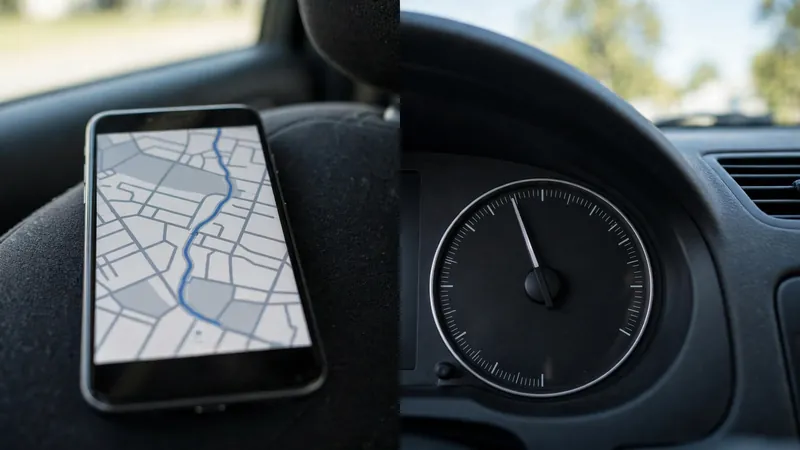
Google Maps says 67 mph, your dashboard says 70. The gap is normal, and it is not a fault in either one — and on a steady open road the Google Maps number is usually the closer one.
You can test your speedometer in about 20 minutes with a phone and a straight road. Mount the phone, hold a steady speed, and compare the dashboard against GPS at 30, 50 and 70 mph.
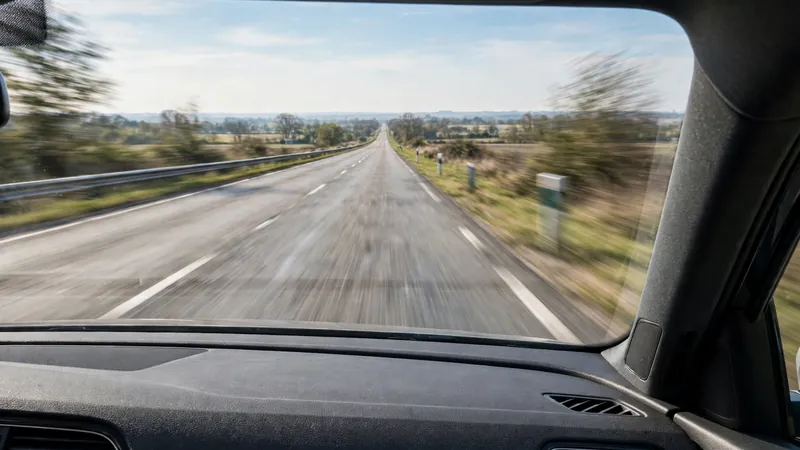
Most odometers read 1–3% high, and the accepted tolerance is ±4%. How to test yours with a GPS and a measured 10-mile run — and what to do when the numbers disagree.
The total distance your car has travelled since it left the factory — how it is measured, what makes it wrong, and how to check it before you buy a used car.
KPH means kilometres per hour — the speed unit almost the whole world uses. What it is, how it differs from mph, the exact conversion, and the mental shortcuts that work.
How to see your speed on iPhone, Android, Apple Watch and CarPlay, and which apps and maps you can trust.
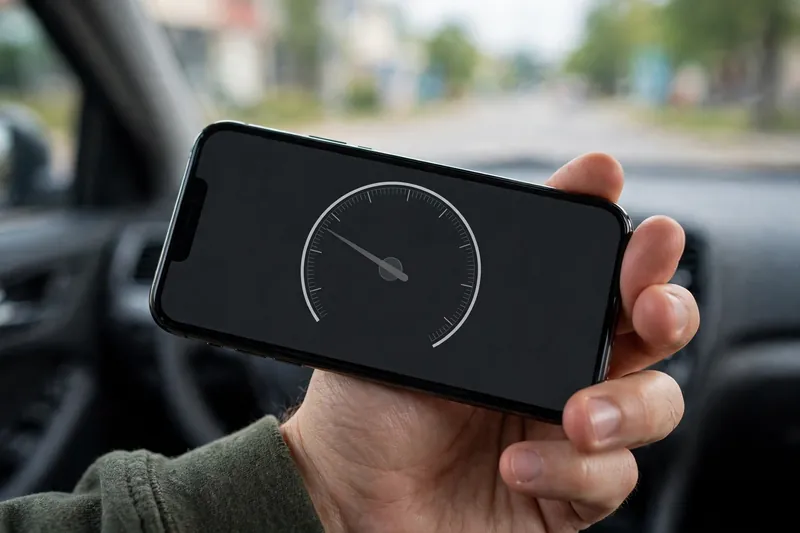
Your iPhone has no built-in speedometer app, and Apple Maps only shows the posted speed limit. Four ways to see a live speed on iOS actually work today.
Your Android phone already has a speedometer — in Google Maps and Waze. How to turn it on, the best free standalone apps, and the no-install browser option.
Your Apple Watch has no speedometer app — but it does show your speed. Open the Workout app, start an Outdoor Cycle workout, and your speed appears in mph or km/h.
Not by itself — stock CarPlay has no speedometer. But an iOS 26 widget, Waze, or CarPlay Ultra can put your speed on the car screen. Which one fits your car.
Apple Maps shows the posted speed limit, never your speed — even in iOS 26. Why Apple leaves it out, and the four ways to see your speed instead.
Yes — on a steady open road Waze is usually closer to your true speed than your dashboard. A LiDAR test found Waze dead accurate at 80 and 100 km/h.
The best speedometer app depends on the job, and for everyday driving you probably already have one. Google Maps and Waze show your speed for free, and a browser speedometer needs no install at all.
Speed cameras, police radar, doubled fines, insurance telematics and mileage logs — what can actually cost you money.
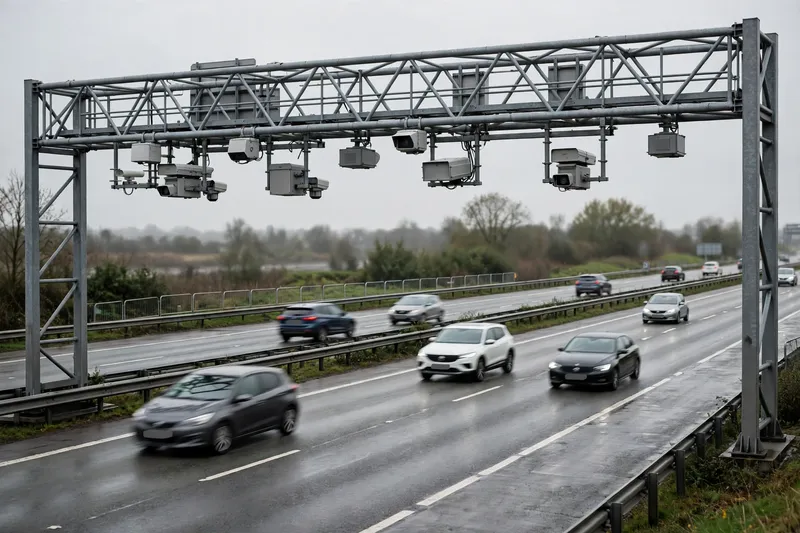
In the UK, cameras usually trigger at 10% + 2 mph over the limit — 35 in a 30, 79 on a motorway. But it is guidance, not a right, and the US has no national tolerance.
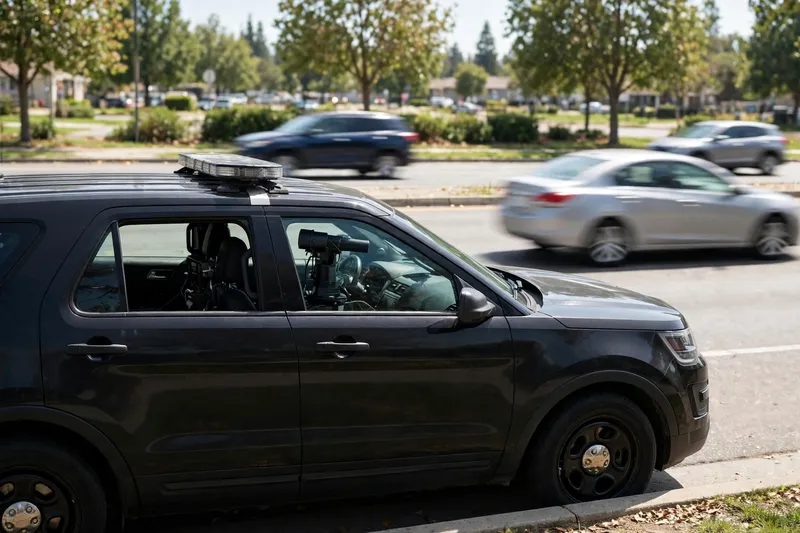
Yes — radar can be wrong, but not often and not by much. How radar and LiDAR measure speed, the 13 ways they err, and what calibration records a court asks for.
Yes — in many states. But not in every state, and not in the same way: some double the fine, some set a high minimum, and some use a separate schedule entirely.
Only if you sign up for a telematics programme. How usage-based insurance tracks speed, braking and phone use — and what it does to your price.
Yes — the IRS cares about the record, not the tool. A GPS log works if it shows date, destination, purpose and miles. What GPS gives you, and what you must add.
What speed really costs in fuel, range and time — and the speed limits for rental trucks and spare tyres.
At 80 mph a sedan loses 28% of its range and a van 39%, versus 50 mph — Geotab's 3-million-trip data. The physics, and how much slowing down buys back.
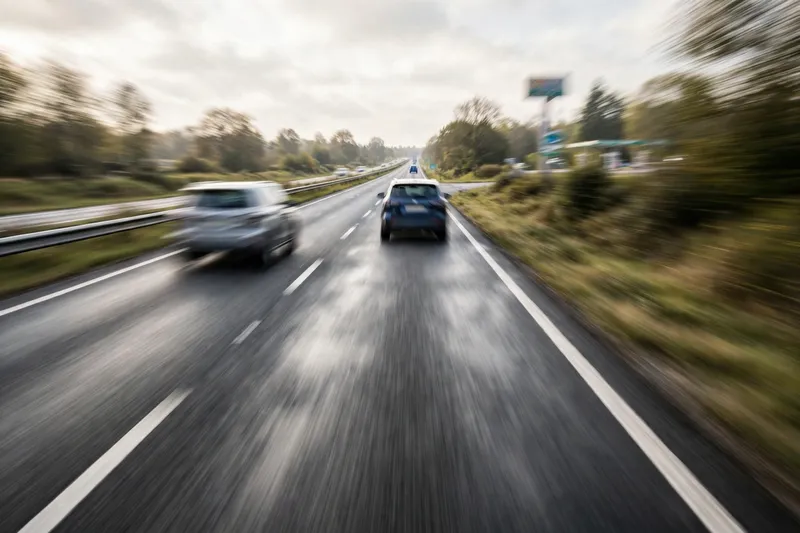
80 mph saves 11 minutes per 100 miles — and burns 20–25% more fuel. The full time-vs-fuel maths for 100, 300 and 400 miles, plus what it costs in stopping distance.
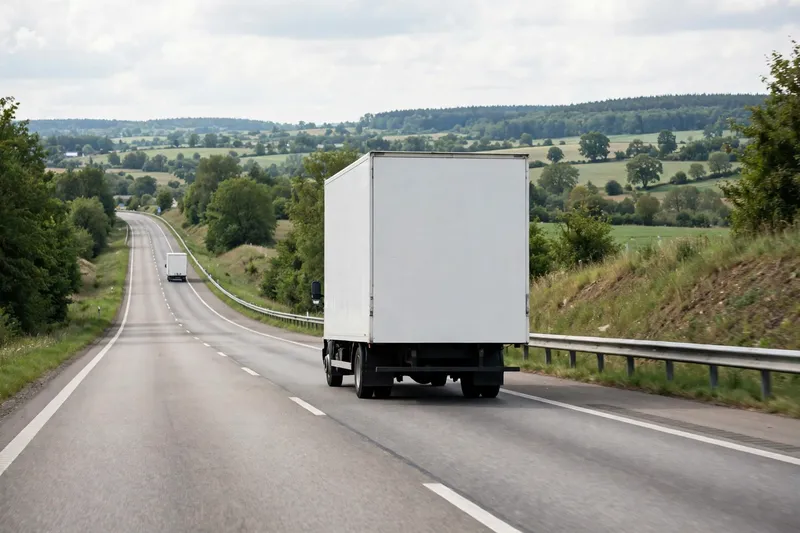
As fast as the posted limit — in most states. But some states set a lower limit for trucks, U-Haul caps all towing at 55 mph, and the company tells you to slow down.
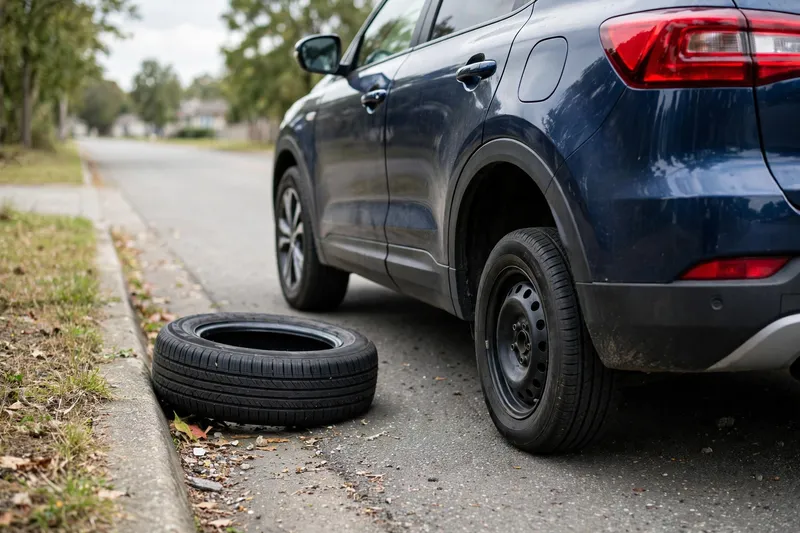
50 mph and 50 miles — the 50/50 rule for a donut spare. Why the limits exist, what happens when you break them, and when a full-size spare has no limits at all.
How cruise control works, whether it saves fuel, and what to check first when it stops working.
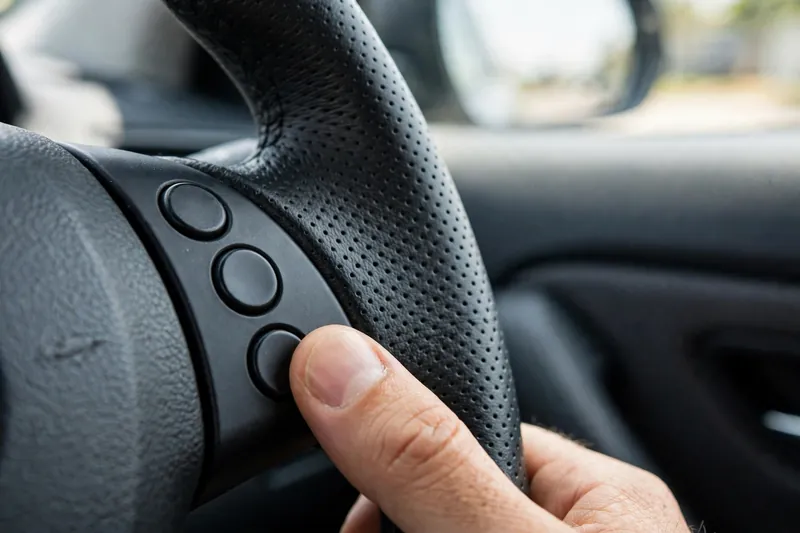
You set a speed; the car reads its road speed and adjusts the throttle to hold it. How the loop works, what radar adds, and the history from Teetor's 1948 Speedostat.
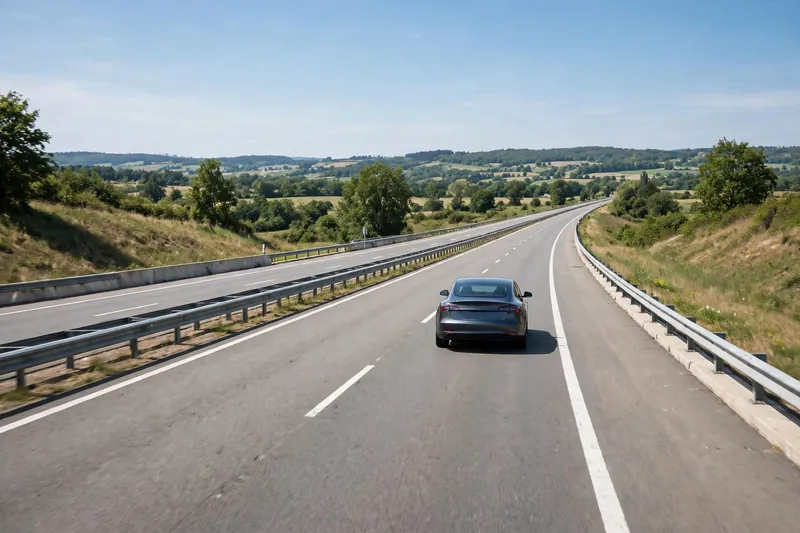
Yes — a little, on a flat motorway. The Volvo/NREL study found adaptive cruise cut fuel use 5–7%; basic cruise managed about 3%. On hills, the gain disappears.
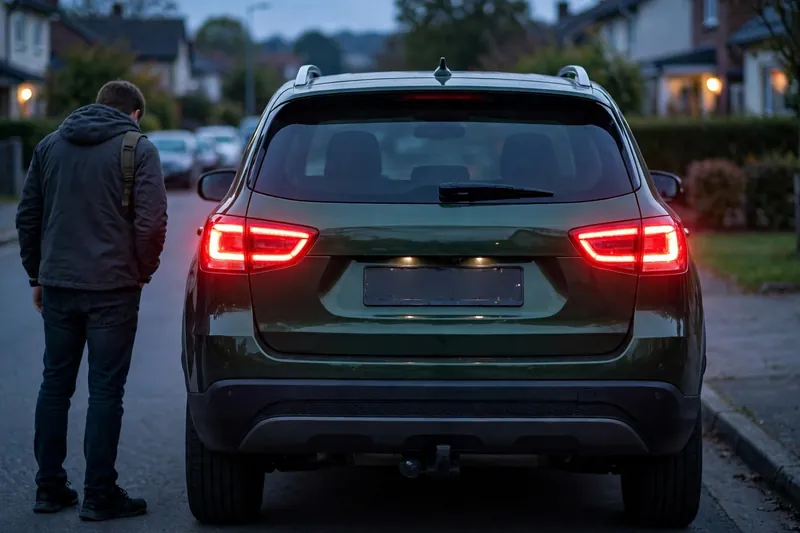
The most common reason cruise refuses to engage is a faulty brake light switch. A 30-second check of your brake lights will tell you if that is the problem.
A dead or wrong speedometer, diagnosed step by step — and what recalibration costs when it is actually needed.
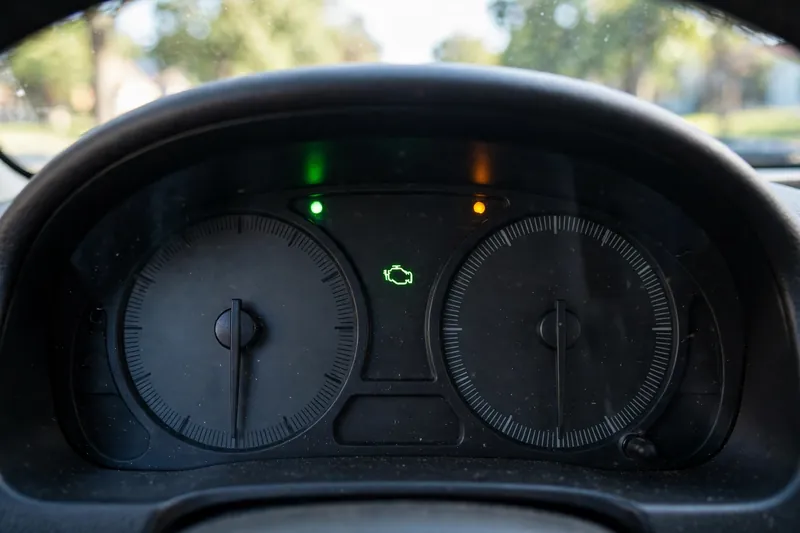
A speedometer that reads zero, jumps around, works intermittently or reads the wrong speed usually has a problem with the speed signal, the wiring, the power supply or the cluster itself.
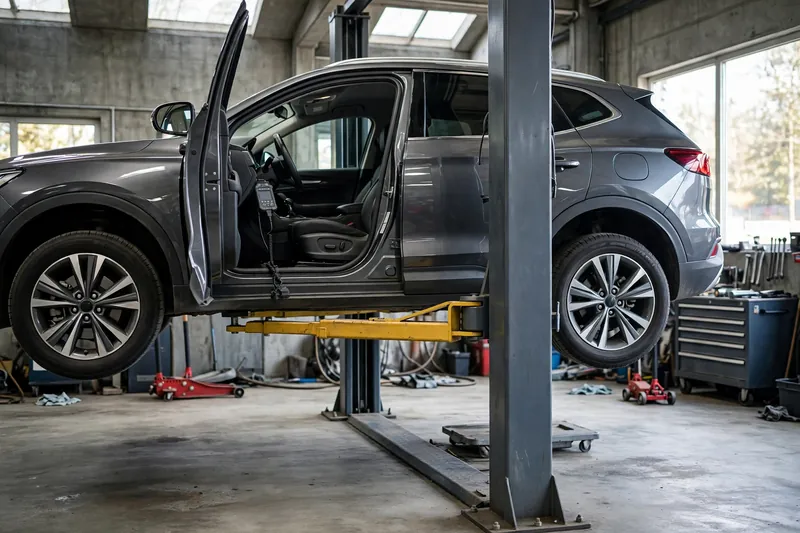
A speedometer recalibration is usually a $50–$200 shop job — about an hour of labour to reprogram the car's computer with the correct tyre size. When it is needed, and how it is done.